Blog Post
RSD and ADHD: Why Rejection Feels Like Proof That Something Is Wrong With You
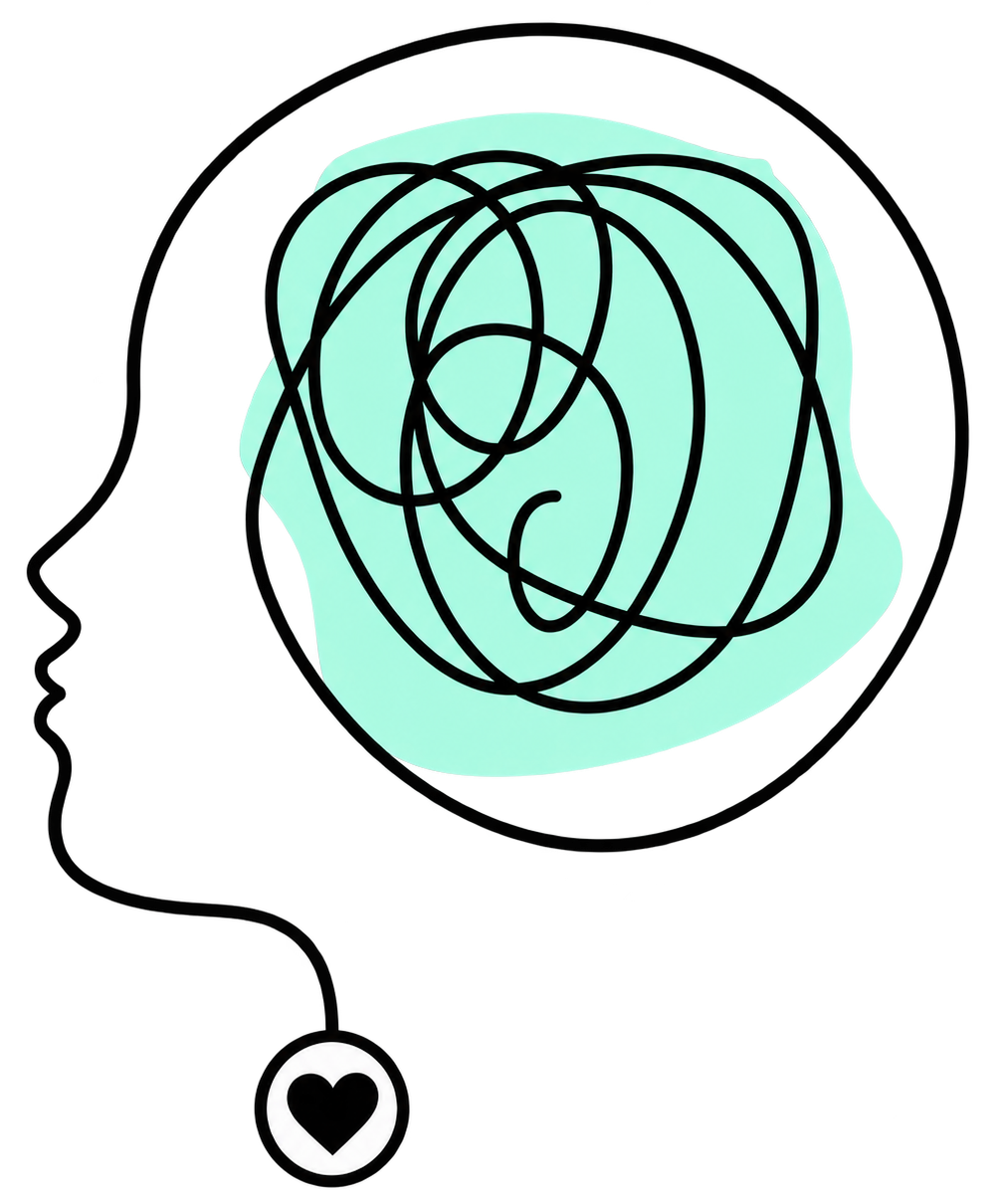
If you have ADHD, you probably know this feeling. Someone doesn't text back, and within an hour you've decided nobody likes you. A friend's tone shifts slightly, and you're replaying every interaction for three days. A casual "hey, can you call me?" sends your stomach through the floor.
This isn't you being dramatic. It's not you being too sensitive. It's rejection sensitivity dysphoria, and it's one of the most painful parts of having an ADHD brain.
What RSD Actually Is
Rejection sensitivity dysphoria (RSD) is the intense emotional pain ADHD brains feel in response to real or perceived rejection. The key word is perceived — your brain doesn't wait to confirm whether rejection actually happened. It fills in the blanks, and it always fills them in with the worst-case scenario.
RSD isn't a formal diagnosis. You won't find it in the DSM. But it's a pattern clinicians see constantly in ADHD, and if you live with it, you don't need a diagnostic code to know it's real.
Why It Hits ADHD Brains So Hard
ADHD affects emotional regulation, not just attention. Your brain feels emotions faster, bigger, and with less of a buffer between the trigger and the flood. Where someone else might feel a sting, you feel a gut punch.
There's also the history. If you've had ADHD your whole life, you've spent years getting corrected, redirected, and told to do things differently. "Pay attention." "Stop interrupting." "Why can't you just..." Each one was small. Together, they taught your nervous system to stay braced for the next one. You're not just reacting to this rejection — you're reacting to every rejection that came before it.
Your Body Feels It First
RSD isn't just a thought pattern. It's physical. The gut drop when you see the text. The heat rising in your face. Your throat closing. Your chest tightening.
Your nervous system treats social rejection like a physical threat. That's not a metaphor — the same alarm system fires. Which is why "just don't take it personally" is useless advice. You can't think your way out of something your body decided before your conscious mind got involved.
The All-or-Nothing Spiral
Here's what makes RSD so disorienting: one data point becomes the whole story.
She didn't text back → nobody likes me.
He seemed off → I'm too much, always.
They didn't laugh at my joke → I don't belong here.
Your brain takes a single moment and writes a permanent narrative from it. Not "this person is busy." Not "maybe they're having a bad day." It's always global, always permanent, always about you.
The Shame Underneath
The cruelest part of RSD isn't the initial pain. It's what comes after: the shame about feeling it.
Why do I care this much? What's wrong with me? I'm being ridiculous.
You end up feeling embarrassed about your own emotional response, which buries you deeper than the original rejection did. Now you're not just hurt — you're hurt and ashamed of being hurt. That's a lonely place.
What Actually Helps
I'm not going to tell you to "just let it go" or "don't take things so personally." If that worked, you wouldn't be reading this.
What helps is learning to separate the feeling from the story. The feeling is real — your body is telling the truth about the pain. But the story your brain writes about it ("everybody hates me," "I'm too much," "this is permanent") is RSD talking, not reality.
Name it in the moment. When the spiral starts, try: "This is RSD. My brain is doing the thing." Naming it doesn't make the feeling go away, but it puts a small gap between you and the story.
Check the evidence. Ask yourself: what actually happened? Not what it means, not what it says about you — just the facts. "She hasn't texted back in four hours" is a fact. "She hates me" is a story.
Let the feeling move through. The physical intensity peaks and passes, usually faster than you expect. The longer you fight it or judge yourself for it, the longer it sticks around.
Talk to someone who gets it. RSD thrives in isolation. Saying "I'm spiraling about this text" to someone who understands ADHD can break the spell faster than hours of rumination.
You Are Not Too Much
If you've spent your life feeling like your emotional responses are outsized or inappropriate, I want you to hear this: there's nothing wrong with the size of your feelings. Your brain processes rejection differently. That's wiring, not a character flaw.
The work isn't to feel less. It's to stop believing every story the feeling tries to tell you.
Therapy-informed, not therapy. If RSD is impacting your daily life, working with a therapist who understands ADHD can help you build tools specific to your brain.

Jessie Lamb
Licensed Professional Clinical Counsellor (LPCC #10541), M.Ed., PPS
I am a former school counsellor with 10+ years of experience and about 9,500 sessions, offering online therapy across California.
Read more about meA gentle place to begin
Bring your questions to a first conversation.
Use the booking link when you are ready to ask about current openings. Prefer to review the details first? Contact Jessie about online therapy.